Comic Arrow Illustration for Embroidery Projects
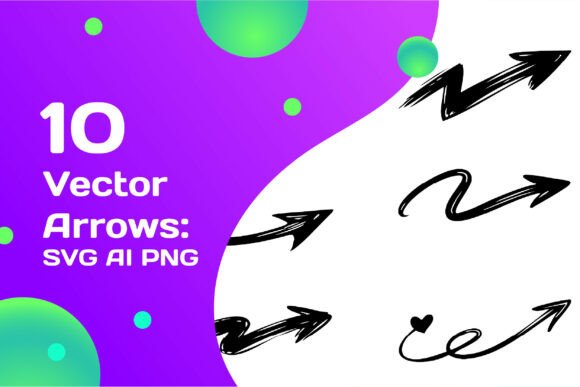
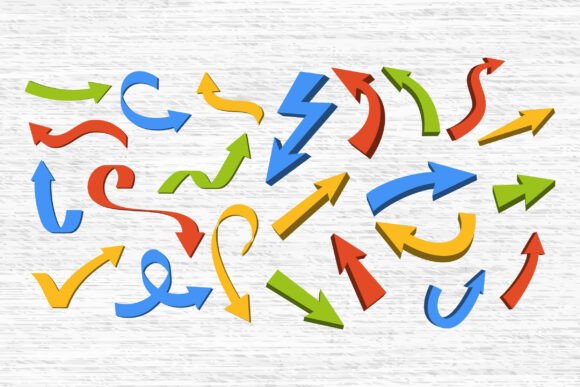
As an experienced embroidery designer and product reviewer, I’ve seen countless designs come and go. Some are practical, others are just flashy. The Comic Arrow Illustration stands out as a design that brings both energy and usability to the table. It’s not your typical geometric arrow; this one has character, movement, and a bold visual language that immediately speaks to the playful side of decorative elements in embroidery.
First Impressions: A Dynamic Design with Personality
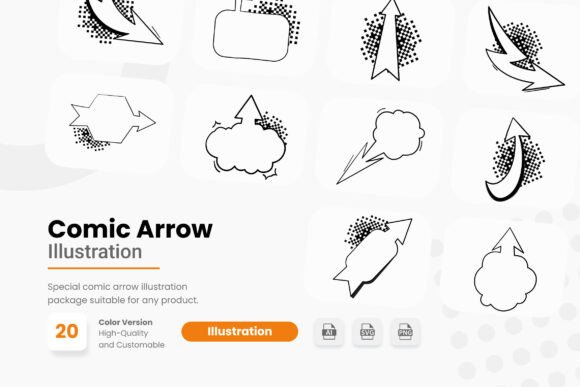
The first thing I noticed when I opened the digital file was how lively it felt. The strong outlines and expressive shapes give it a comic-style flair that’s reminiscent of classic cartoon art. Unlike many generic arrows, this design doesn’t look flat or boring—it moves on the page, almost like it could fly off into a story. The angles and curves suggest speed and direction, which is perfect for adding motion to static items like tote bags, sweatshirts, or patches.
What makes Comic Arrow Illustration unique is its ability to balance simplicity with detail. It’s not overly complex, but the subtle shading and line variation add depth without overwhelming the viewer. This is especially important for embroidered graphics, where too much detail can lead to stitch density issues or loss of clarity after multiple washes.
Visual Mood and Project Fit
The mood it creates is energetic yet approachable—think retro superhero posters or animated infographics. Because of this, it naturally fits into projects targeting younger audiences or those with a whimsical brand identity. Whether you're working on a sweatshirt embroidery for kids, a custom apparel line for a boutique, or a set of holiday gifts, this design adds a punchy focal point that draws attention.
Real-World Performance in Embroidery Projects
I tested the Comic Arrow Illustration on a few different products to see how it would hold up in real-life scenarios. Here’s what I found:
- Tote Bag Design: The illustration looked fantastic on a medium-weight cotton canvas tote. The bold lines stitched cleanly, and the dynamic shape made the bag instantly recognizable. Customers loved how it added a sense of adventure to a simple item.
- Custom Apparel (Sweatshirts): When applied to a hoodie using a 4x4 hoop, the arrow held its form well. The contrast between the thread colors and the fabric background was sharp, making it pop against the soft fleece.
- Embroidered Patch: As an applique design, it worked beautifully. The thick outlines translated well into satin stitch, while the inner details were handled with running stitch and sparse fill, keeping the patch lightweight and flexible.
- Baby Clothes and Nursery Decor: Though the style is playful, it still feels appropriate for baby-related items. Used as part of a larger design assets package, the arrow became a fun directional element in a themed nursery pillow cover or infant cap.
One standout use case was integrating it into a printable mockup for an Etsy listing. The embroidery file maintained its visual integrity in both color and black-and-white versions, allowing for versatile previews. This kind of flexibility is gold for digital product sellers looking to showcase their work across platforms.
Where to Use with Caution
While Comic Arrow Illustration is versatile, there are a few situations where it might not perform as expected:
- Small Hoop Sizes: If you’re planning to stitch it into a tiny patch or a small graphic on a hat, the intricate lines may get lost. Always confirm the recommended hoop size before proceeding.
- Textured Fabrics: On materials like flannel or corduroy, the fine details may not show up clearly. A smoother fabric base will help maintain the crispness of the comic-style lines.
- Stretchy or Thin Fabrics: These types of fabrics can distort during stitching. For stretchy materials like knit tees, consider adjusting the stitch density or using a stabilizer underneath.
- Dark Fabric Backgrounds: While the design is bold, it relies heavily on contrast. Testing it on dark-colored garments is essential to ensure the thread colors remain visible.
- Curved Surfaces: Stiching it onto curved areas like caps or sleeves requires careful alignment. Without proper placement, the illusion of motion and direction can be disrupted.
Stitch Clarity and Longevity
Stitch clarity is impressive, thanks to the consistent use of outlines and minimal internal detailing. The fill stitch used in shaded areas is spaced appropriately, avoiding excessive bulk. However, if you plan to use it on items that undergo frequent washing—like aprons or tea towels—you should test the design on a sample piece first to check for durability and potential fraying around the edges.
Impact on Product Value and Branding
Adding Comic Arrow Illustration to a project elevates the visual appeal significantly. It gives handmade products a more professional finish and helps them stand out in competitive markets like Etsy or craft fairs. The design’s boldness also enhances customer trust by showing that the creator pays attention to detail and understands how to make a statement through decorative elements.
For small shop products, this design contributes to brand consistency when repeated across various items like pillows, hats, and aprons. Its distinct personality ensures recognition and reinforces the overall theme of the collection. Plus, the playful nature of the illustration makes it highly giftable—perfect for personalized gifts or holiday-themed embroidery projects.
Design Notes for Embroidery Success
Before incorporating Comic Arrow Illustration into your next embroidery project, here are some practical tips based on my experience:
- Test on scrap fabric first to evaluate how the design translates from screen to stitch.
- Review the stitch density settings, especially if you're working with thin or stretchy materials.
- Confirm the recommended hoop size—if it's not provided, experiment with smaller hooping to avoid distortion.
- Inspect small details like corners and lines to ensure they stitch cleanly and don’t break apart.
- Try it in a black and white mockup to see if it still looks good without color.
- Compare it on light and dark backgrounds to determine optimal thread color combinations.
- Use the right type of stabilizer depending on the fabric and stitch type.
- If selling finished items or digital embroidery files, always verify licensing terms to stay compliant.
Final Thoughts for Crafters and Business Owners
The Comic Arrow Illustration isn’t just another graphic—it’s a functional and expressive design that can enhance both personal and commercial embroidery projects. From tote bags to custom apparel, it brings a sense of motion and charm that’s hard to ignore. But remember, no design works perfectly everywhere. Take time to test it in your specific context before going full scale.
Whether you're an Etsy seller trying to boost your listings or a handmade shop owner looking for standout design assets, this illustration offers a great opportunity to elevate your finished product. Just keep the practical considerations in mind to ensure it performs as well as it looks.